
The Two Ways I Keep Arsenic Out of Our Rice
Here's something most people don't know: there are no regulations in the USA on how much arsenic rice is allowed to contain. Rice naturally absorbs a lot of it as a crop, which means levels can climb higher than you'd expect, even in rice that looks perfectly normal on the shelf.
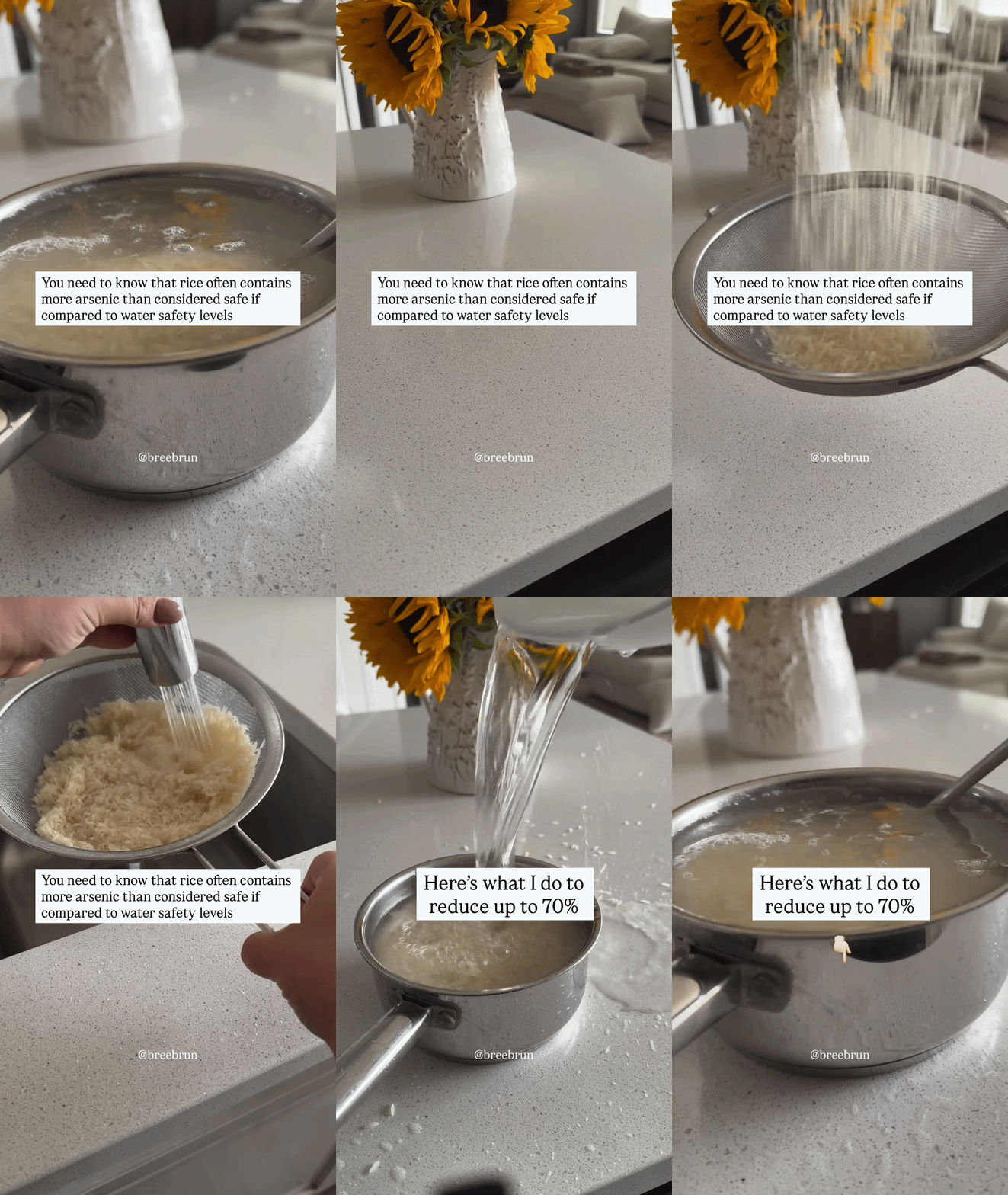
Rice is a daily staple in our house, but I'm definitely not willing to give it up just to stay low-tox! Adding this quick parboiling routine to my weekly prep has been such an easy, cost-free way to dramatically cut down our heavy metal exposure without ditching a family favorite.
So what do you actually do about it?
First, I try to choose my rice wisely. Imported Basmati or Jasmine rice naturally test lower in arsenic compared to other varieties, so that's where I start.
Second, I always parboil. This simple technique can cut arsenic levels by up to 70%, and it's become such a normal part of cooking rice in our house that I barely think about it anymore:
Rinse your rice well.
Boil it in plenty of water for 5 minutes (I use a 1:6 rice-to-water ratio).
Drain and rinse again.
Add fresh water and cook as usual.
On the days I don't feel like parboiling, I'll reach for Lundberg Farms instead, they test their rice for arsenic, so it's a solid shortcut when I want peace of mind without the extra step.
Is this worth the extra few minutes?
I think so. It's a small swap with a genuinely big impact on your toxic load, and it costs nothing but a little time. Did you already know about this one, or is it new to you?
If you're curious about other "make it safer, don't give it up" swaps, I wrote about my gut-friendly fudgsicle recipe, worth a read if this is the kind of thing you like digging into.
Thanks for being here, friends!